
.png)
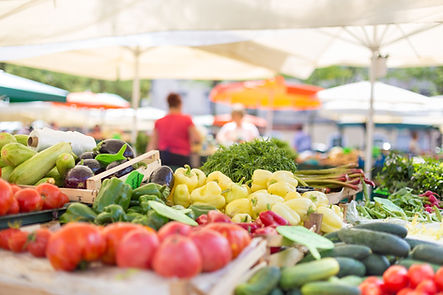
Healthy Foods, Lands, and Clean Water
Growing food and farming systems that are healthy for the land, healthy for the communities growing our food, and healthy for the people eating it while preserving wild lands to keep global ecosystems healthy.

Our food systems should be healthy for the land, the people growing it, and the people eating it.
Agriculture currently represents about 14% of Wisconsin’s greenhouse gasses. Creating a healthier food system not only helps limit climate change, protect our water, and improve food security- but can protect those caring for and tending to the land.

Food is medicine, but healthy foods are hard to find or afford in many Wisconsin communities.
What we eat and how or where it’s produced affects our health. Many Wisconsinites, especially in rural areas and urban low income communities, lack access to food or struggle to afford nutritional meals. Food insecurity is linked to high blood pressure, diabetes, heart disease, and mental health problems and food insecure children are more likely to have to repeat a grade, have lower test scores, and are at high risk for obesity, behavior and social issues like fighting, hyperactivity, anxiety, and bullying.
Lack of affordable grocery stores also makes it difficult for many families to buy healthy foods. Discriminatory zoning practices in cities and the small population size of some rural areas mean BIPOC and rural households disproportionately face few options for putting food on their table. But local small-scale agriculture can increase access to fruits and vegetables while slightly lowering food transportation costs, emissions, and waste.

A healthy food system should protect our water
But our current farming policies threaten our water. Nutrient runoff from factory farms, high chemical input farming, and livestock waste from CAFOs threaten our waterways, private wells, and municipal water supplies. According to tap water tests, over 1.1 million Wisconsinites have elevated nitrate levels in their tap water, 83% of which live in communities of 3,300 people or fewer. 90% of nitrate in Wisconsin groundwater comes from application to crop fields with farms using approximately 5 times more nitrogen fertilizer than they did in 1960. But farmers have little to no choice, because economic policies stress large crop yields and unrealistically low levels of pest damage, over nutritional quality and sustainability.
During a rainstorm, nitrate can run off of fields and into nearby waterways and Wisconsin is seeing a rise in extreme precipitation events with climate change. Climate change is expected to increase the amount of nitrate in the Mississippi River Basin by 24%. High levels of nitrate are connected to blue-baby syndrome, a condition in which babies are starved of oxygen. Nitrate pollution also increases the risk of birth defects, thyroid disease, colorectal cancer, non-Hodgkin's lymphoma, bladder and ovarian cancer. Approximately 120-300 cases of cancer and over 70 adverse birth outcomes each year can be attributed to nitrate-contaminated drinking water in Wisconsin, resulting in about $16-$40 million in medical costs each year and $63-$160 million/year in lost productivity.
Nitrate in waterways also increases toxic blue-green algae blooms, destroying the natural beauty of our lakes and hurting human health. Toxic algae blooms can cause vomiting, diarrhea, respiratory issues, and skin rashes. They contain neurotoxins, liver toxins, and cell toxins dangerous to humans, dogs, and cattle. Intensive fertilizer use is also a significant source of nitrogen dioxide, a greenhouse gas with 300 times the warming potential of carbon dioxide and ammonia in fertilizer run-off also interacts with nitrogen and creates particulate matter, which harms human health throughout the lifespan.
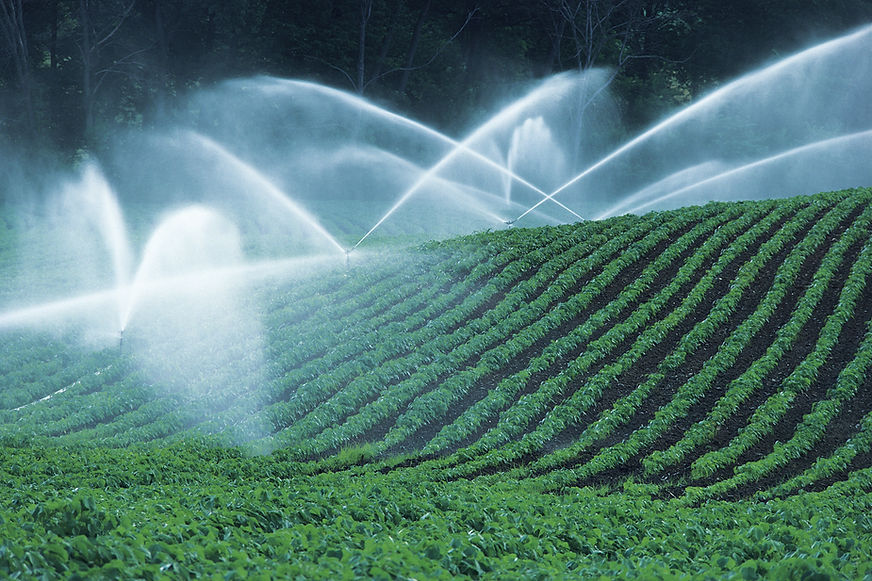
Factory farms hurt small farmers, rural communities, and our climate.
Wisconsin is losing small farms at a rapid pace due to an uneven playing field. For decades, agribusiness has favored monoculture operations and large corporations so heavily that now just four corporations control more than 40% of the American food supply chain. This rigged competition not only destroys family farming legacies, but our environment and public health. Concentrated Animal Feeding Operations (CAFOs), which concentrate livestock in extremely small quarters, produce much higher amounts of animal waste, air, and water pollution than small to midsize farms.
The massive quantities of manure generated by animals in factory farms are at the heart of many associated health risks. A single CAFO can produce more waste than large U.S. cities. This manure contains over 150 harmful pathogens and viruses, hormones, ammonia, nitrates, chemicals from farm equipment, and substances like trace metals. But CAFO waste isn’t processed in sewage systems like human waste is, and manure pits or lagoons are prone to leaks and run-off, so those substances spread to surface and groundwater. In some studies, over 80% of surface water near CAFOs contained pathogens like Giardia, Cryptosporidium, and E. coli. This is particularly dangerous in the large portions of our state which have both karst topography and most of our population.
Anaerobic waste pits also decompose differently, leading to greenhouse gas emissions like nitrous oxide and methane, and air contamination like particulate matter. Children in schools near factory farms experience higher asthma rates, and up to 30% of factory farm workers suffer from asthma, bronchitis, or toxic dust syndrome. Antibiotics in animal feed also contribute to drug-resistant bacteria, and CAFOs create breeding grounds for disease-spreading insects.
Hard-working farmers should be able to care for their land safely and make a fair living.
Synthetic chemicals and pesticides exposures harm the health of farm workers and their families. Farmers deserve fair policies that protect against monopolies and pay workers living wages. They deserve an even playing field that doesn’t incentivize overworking field hands and or cutting corners on safety. On hot days, water and cooling breaks should be a protected worker right. It is inexcusable that agricultural workers are 35 times more likely to die of heat-causes than workers in other industries.
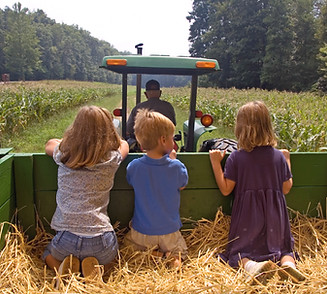
Farmers must have the tools to protect themselves and their farms from climate change.
As caretakers of the land who depend on our climate, farmers can tell something is wrong. Whether they name climate change as the cause, they can see things are becoming unstable, making it hard for them to get by. We need to make sure farmers have access to the best data to know how climate change will impact their ability to operate. We also need to enact sensible policies to help protect farmers from climate instability while also encouraging sound farming practices.
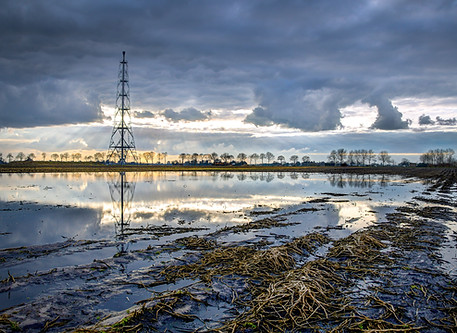
Practices that emphasize healthy soil, biodiversity, and ecological balance grow the resilience of Wisconsin's farms and ecosystems against extreme weather events.
Intense heat waves and more frequent and intense flooding and droughts harm the crops and soil integrity of family farms that have been passed down through generations. Packed and nutrient leached soils are more prone to flooding, creating a cycle of soil run-off and degradation. By protecting Wisconsin's diverse forests, wetlands, and other critical ecosystems, we protect the spaces that naturally sequester run-off, carbon, and pollution- protecting the health of our communities.


We can be good stewards that care for our land, water, and each other, and in the process make sure our rural communities have the freedom to thrive.
Love of the land is at the heart of our way of life in Wisconsin–from fishing and boating to farming and hunting. As climate change turns up the heat, many cherished traditions are declining while farmers struggle to keep their crops healthy and our rural communities thriving. Big ag corporations seek to divide us by where we live or the color of our skin, so they can keep profiting while they squeeze take over family farms. But by joining together across race and place, we can care for our land and care for each other. We can grow food and farming systems that are healthy for the land, healthy for the communities growing our food, and healthy for the people eating it.